November 17, 2019
By Tessa

Images courtesy of CabareteNoticias.com
This week we explored Cabarete Bay, the Mariposa’s hometown beach. It’s a beach that my family and I have been to many times – in fact – it’s our favorite. This crescent shaped beach is world famous for its aquatic sports including kite and windsurfing. It’s warm turquoise waters draw both Dominicans and tourists alike.

Image Courtesy of Vela Windsurf
As popular a place it is, you’d never find it packed like our beaches back at home. There are no large parking lots and no fees to enter this beach. It’s a tranquil place, with the international community here for mainly one reason – wind. Dominican families come from the city to enjoy picnics on the beach, and many local families are employed here.
The main road runs along the beach and is lined with your everyday shops (grocery and shops where you can buy fresh fruit, seafood, bread and other Dominican goods). The long white sand beach is lined with open-air restaurants, condos and a handful of small three-story hotels.
If visiting for the first time, you wouldn’t know how much this beautiful place has changed over the last several decades. But there have been many and they are effecting the entire community where the Mariposas live. To help us better understand, we invited world-famous windsurfer and Cabarete local, Tony Garcia, to talk with our classes. Tony grew up in town and is now raising his family here.
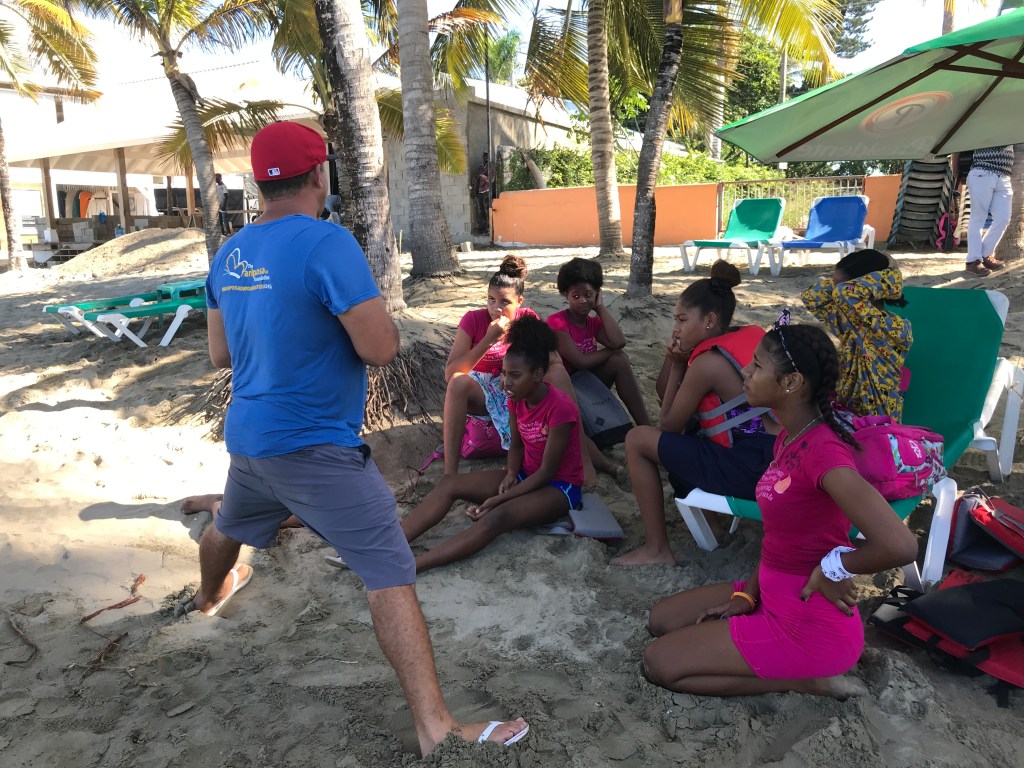
Tony recalled a day when the entire reef was healthy, fish were plentiful, when the beach was wide enough to play a game of ball, when hundreds of beach almond and beach grape trees anchored in the sand. Before buildings dotted the shoreline, sand shifted with the seasons. The rivers leading to the sea were cleaner and clearer.

Today there are more tourists and that means jobs for Dominicans. But tourism means development and a demand for limited resources, especially clean water. Some hotels have been built too close to the shore and now are inundated at high tide. Property owners have built rock walls to protect their land, but as we have seen in our own country that just leads to erosion in adjacent areas. There are fewer trees and plants to hold the sand in place, and the sea level is creeping ever higher.
The girls were surprised and some frustrated by what is happening at their beach.
Ironically, these challenges that we are discussing with the Mariposas are the same challenges that my colleagues are discussing with coastal community leaders in my home state of Connecticut. We have developed our shorelines, the sea is rising. We need to protect, or better yet, retreat. That’s easier said that done.
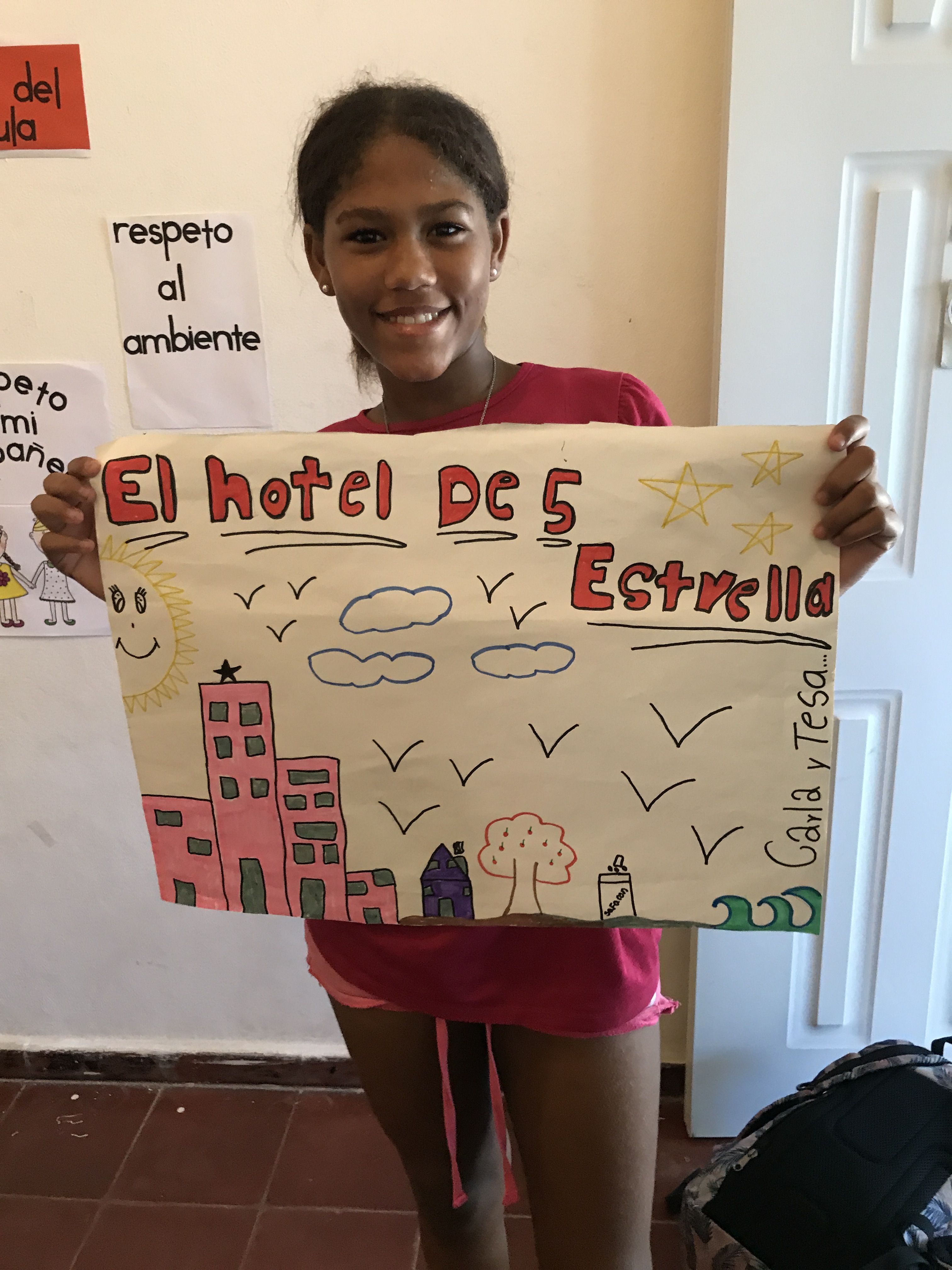
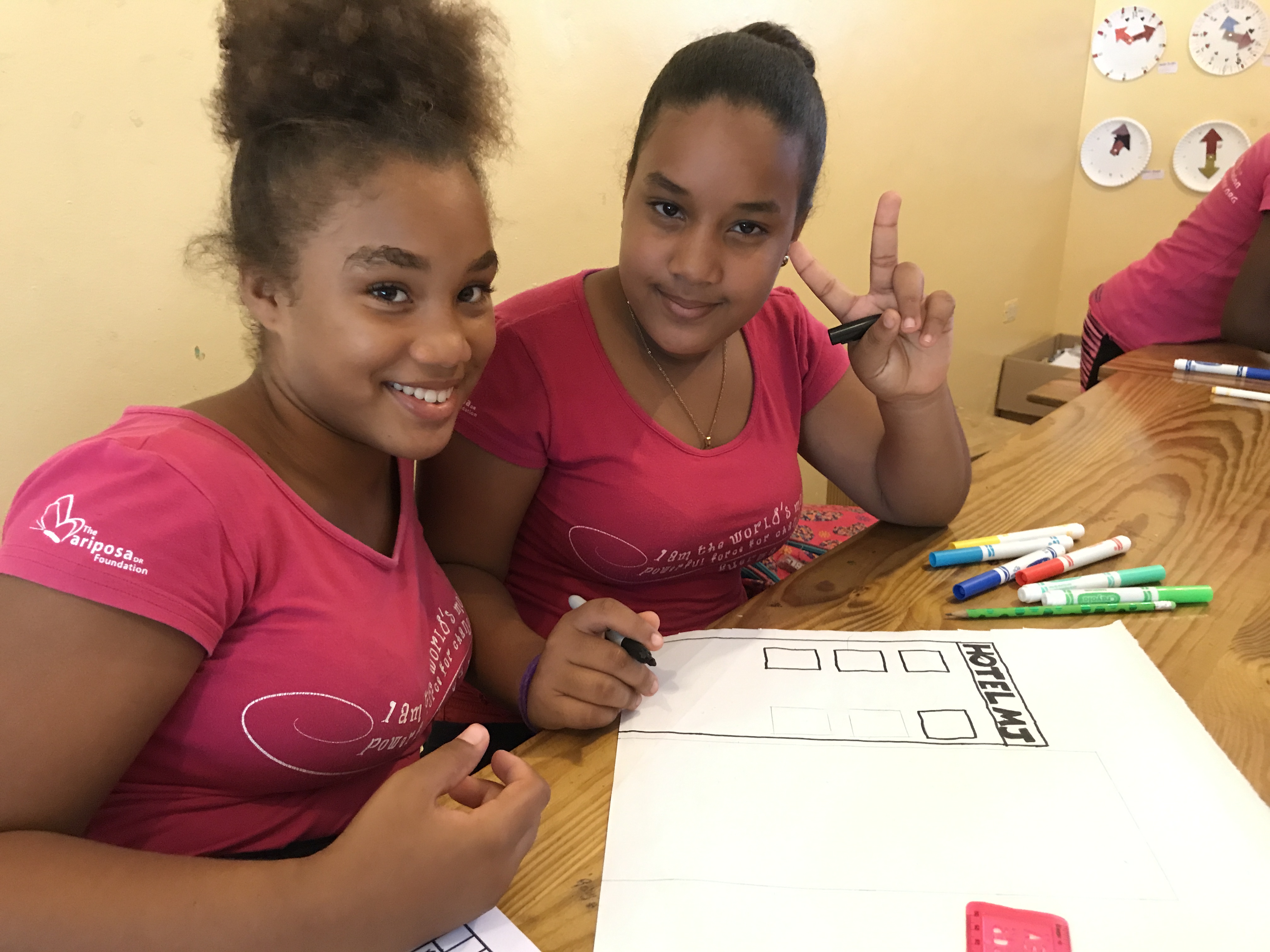
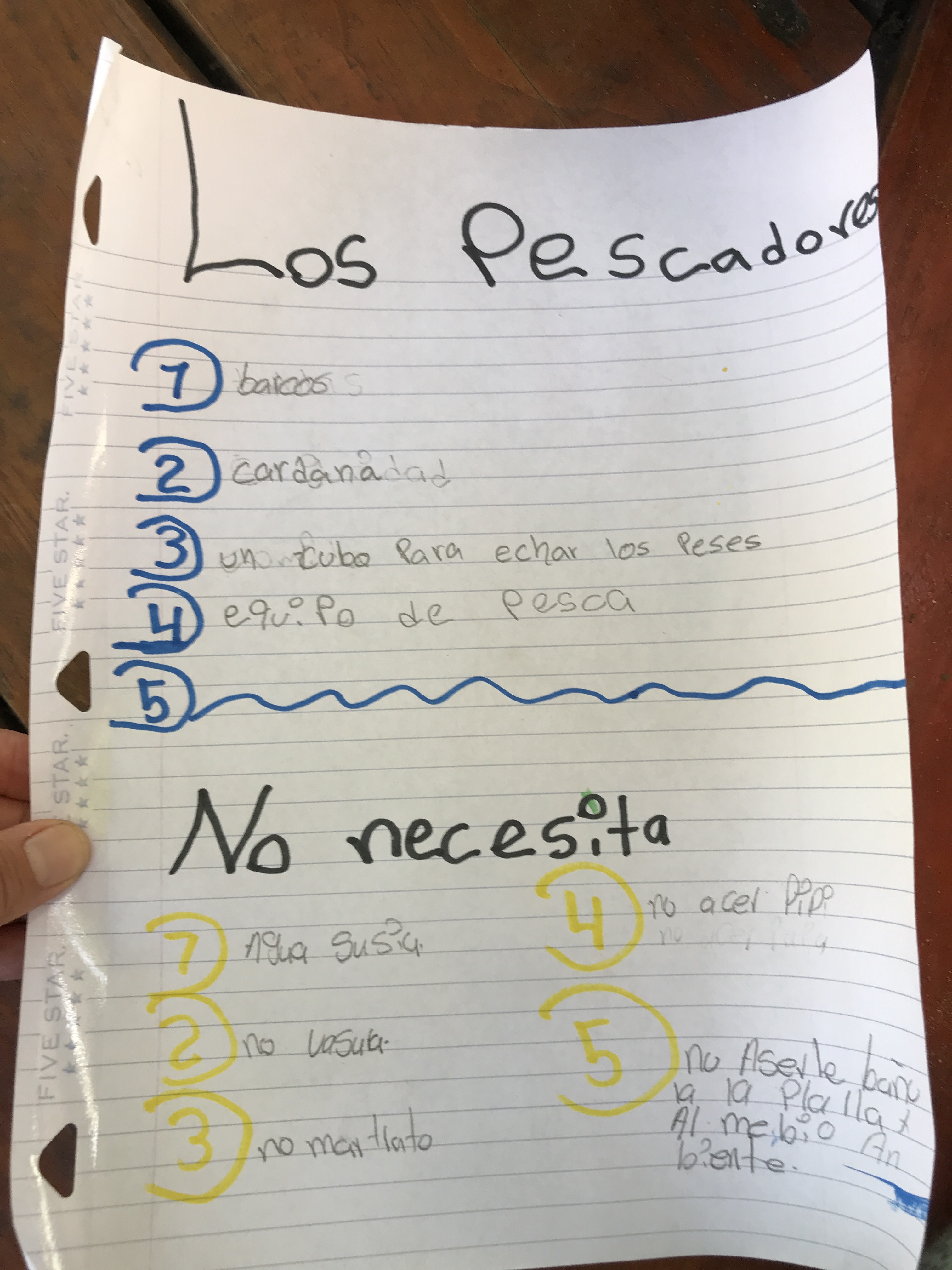
The students engaged in an activity I called “my perfect beach”. Each group was assigned a role – a hotel operator, a local family, a windsurfing business, etc. They drew what their beach would look like and then made a list of everything they would need to enjoy or prosper there.
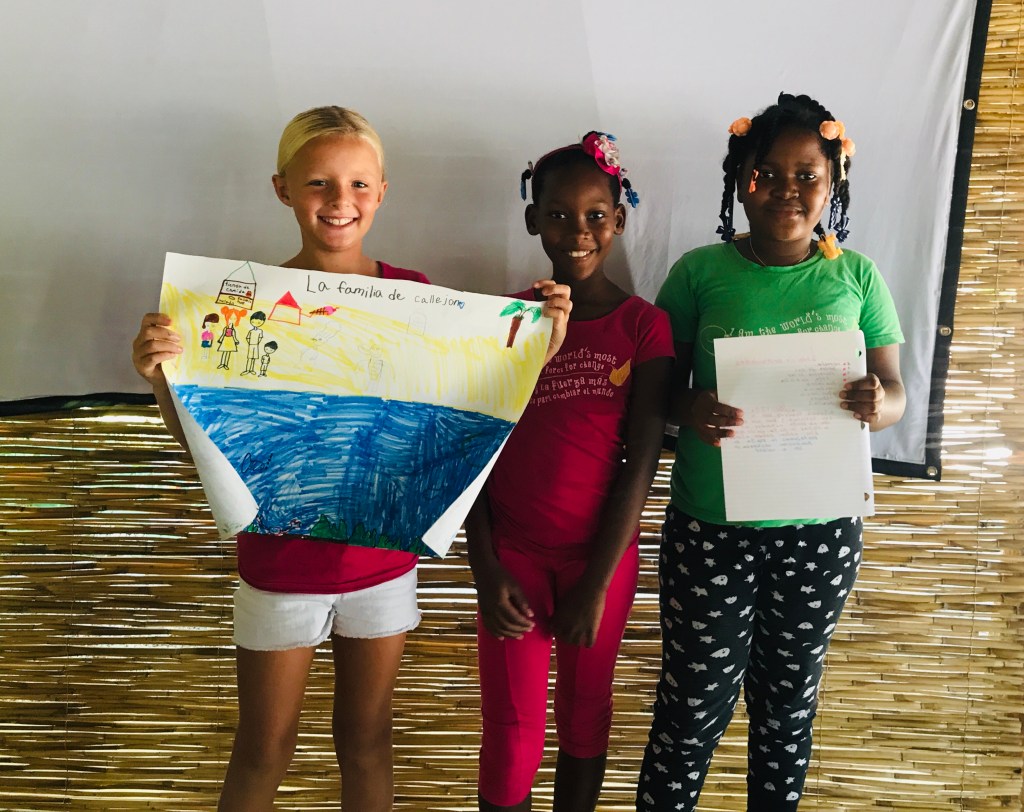
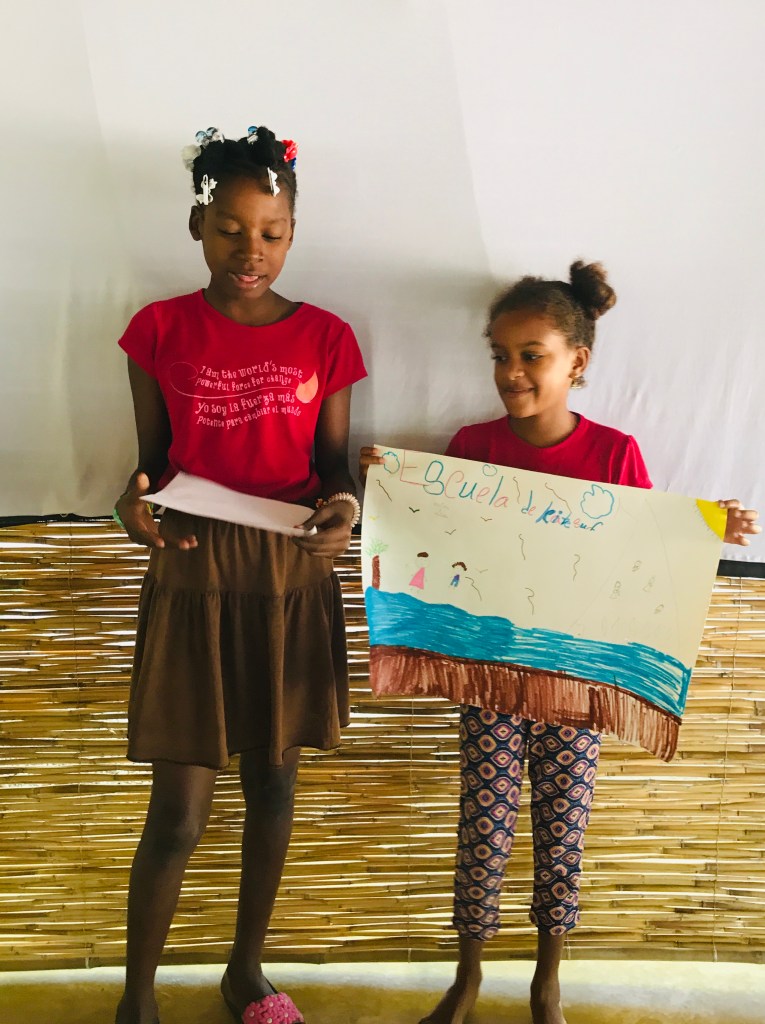
There have been a lot of changes in this community and surely more to come. While I’m concerned about the future that lies ahead for these girls, I still have a great deal of hope. They are paying attention, asking questions and challenging the status quo. They are thoughtful and creative and we just need to give them the tools and resources they need to succeed.
 The Getchis Family Blog